

There’s nothing quite like the excitement of welcoming a new puppy into your home – those tiny paws, curious sniffs, and that irresistible puppy energy that makes even the most sensible adults go completely soppy.
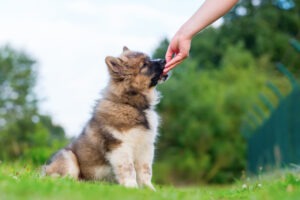
One of the most delightful aspects of puppyhood is introducing your little one to the wonderful world of treats. But before you start showering them with every delicious morsel in sight, it’s important to approach treat introduction thoughtfully and carefully. After all, those first few months are crucial for establishing healthy eating habits that will last a lifetime!
Let’s explore how to make treat time both safe and enjoyable for your precious pup.
Why Extra Care Matters When Introducing Treats To Puppies
Puppies aren’t simply miniature versions of adult dogs – their developing bodies have unique nutritional needs and sensitivities that require special consideration when introducing new foods.
A puppy’s digestive system is still maturing, making them more susceptible to stomach upsets from rich or unsuitable treats. What might be perfectly fine for an adult dog could cause uncomfortable tummy troubles for your little one. Taking time to introduce treats gradually helps their system adapt without causing distress.
Also, the treats you choose now will shape your puppy’s preferences and expectations for years to come. Starting with high-quality, nutritionally appropriate options sets the foundation for a lifetime of healthy eating habits. It’s much easier to establish good patterns from the beginning than to change problematic behaviours later!
Don’t forget that puppies have tiny mouths and throats. Dog treats that are perfectly sized for adult dogs might be too large or difficult for puppies to manage safely. Additionally, puppy teeth are sharp but delicate, so texture matters enormously during this crucial development phase.
How to choose the perfect treats for puppies
When selecting treats for your new puppy, quality and suitability should be your top priorities. Here’s what to look for:
Age-appropriate options: Always check that treats are suitable for puppies from 12 weeks of age. Our Milky Petite Bones are perfectly sized for little mouths and gentle on developing teeth, making them ideal first treats for curious pups.
Size matters: Choose treats that can be easily consumed in one or two bites. Large treats should be avoided initially, though you can break larger options like our Charcoal enriced bones into smaller pieces for training sessions.
Gentle ingredients: Look for treats with simple, easily digestible ingredients. Avoid anything with artificial colours, flavours, or excessive additives that might upset sensitive puppy tummies. Natural, wholesome ingredients are always the safest choice.
Training-friendly features: Since treats play a crucial role in early training, choose options that are motivating but not overly rich. You’ll be using quite a few during house training and basic command work!
A step-by-step guide for introducing treats
Now that you’ve chosen the perfect puppy-appropriate treats, it’s time for the exciting part – introducing them to your little one! The key to successful treat introduction lies in patience and observation. Think of it as introducing a baby to solid foods – you wouldn’t dive straight into a full roast dinner, would you? The same gentle, gradual approach works wonders for puppies and helps ensure their first treat experiences are positive ones that set the stage for a lifetime of happy training and bonding moments.
Start small and slow: Begin with tiny amounts – literally just a small bite to gauge your puppy’s reaction. Watch for any signs of digestive upset over the next 24 hours before offering more.
One new treat at a time: Introduce only one new treat variety every few days. This approach helps you identify any potential sensitivities or allergies while allowing your puppy’s system to adjust gradually.
Make it positive: Use treat introduction as bonding and training opportunities. Offer new treats during calm, happy moments when your puppy feels secure and relaxed. This creates positive associations that enhance your relationship.
Monitor portion sizes: Treats should never exceed 10% of your puppy’s daily caloric intake. Keep portions small and adjust their main meals accordingly to prevent overfeeding.
Training integration: Once your puppy has successfully tried a few different treats, begin incorporating them into basic training sessions. Our Peanut Butter Flavoured Paws arrive in tiny training-sized pieces perfect for teaching essential commands like ‘sit’ and ‘stay’.
Establish routine: Create consistent treat-giving routines around positive behaviours. This helps your puppy understand that treats are earned rewards rather than random offerings, establishing excellent training foundations from the start.
Setting up for success
Remember, every puppy is unique, and what works perfectly for one might not suit another. Pay attention to your individual pup’s preferences, energy levels, and digestive responses as you navigate this exciting introduction period.
The goal isn’t just to find treats your puppy enjoys – it’s to create positive experiences that strengthen your bond while supporting their healthy development. Take your time, stay observant, and enjoy watching your little one discover new flavours and textures.
Most importantly, trust your instincts. If something doesn’t feel right, don’t hesitate to consult your vet for personalised advice tailored to your puppy’s specific needs.
Share your puppy’s treat adventures with us on Instagram or Facebook. For more dog care tips and tricks, visit our blog.